Why Trusted Writing Journals Matter for Serious Writers
@thetrustedwritingjournalsmedia
October 18, 2026 · 7 min read
I have spent more than twenty years filling notebooks. Some of them I bought on a whim at airport shops. Others came recommended by friends who write. A few arrived in the post after I read a blog post at two in the morning. Over time I learned that the difference between a frustrating writing session and a productive one often comes down to the tool in your hand. That is why I keep coming back to a short list of trusted writing journals that I know will not let me down.
The market is flooded with notebooks. There are dozens of brands, hundreds of cover colours, and bewildering choices about paper weight, ruling, size, and binding. For a new writer, or even an experienced one who has not thought much about their notebook, the options can feel overwhelming. The easy path is to grab whatever is cheapest or whatever has a pretty cover. But after a few weeks of writing, the cheap paper starts to bleed through. The binding cracks. The ink from your favourite pen smudges. That is when you realise that a good notebook is not a luxury. It is a practical tool that supports your work.
What Makes a Writing Journal Trustworthy
A trusted writing journal is one that you can reach for without hesitation. You know the paper will handle your pen without feathering. You know the binding will survive being shoved into a bag. You know the pages will lie flat when you open them. These are not glamorous qualities, but they matter deeply when you are in the middle of a sentence and the ink is flowing.
Over the years I have tested many notebooks. Some became favourites. Others ended up half-used on a shelf. The ones that survived are the ones I think of as my trusted writing journals. They are not perfect for every situation, but they are reliable. When I sit down to write, I do not want to think about the notebook. I want to think about the words.
The Brands That Earned Their Place
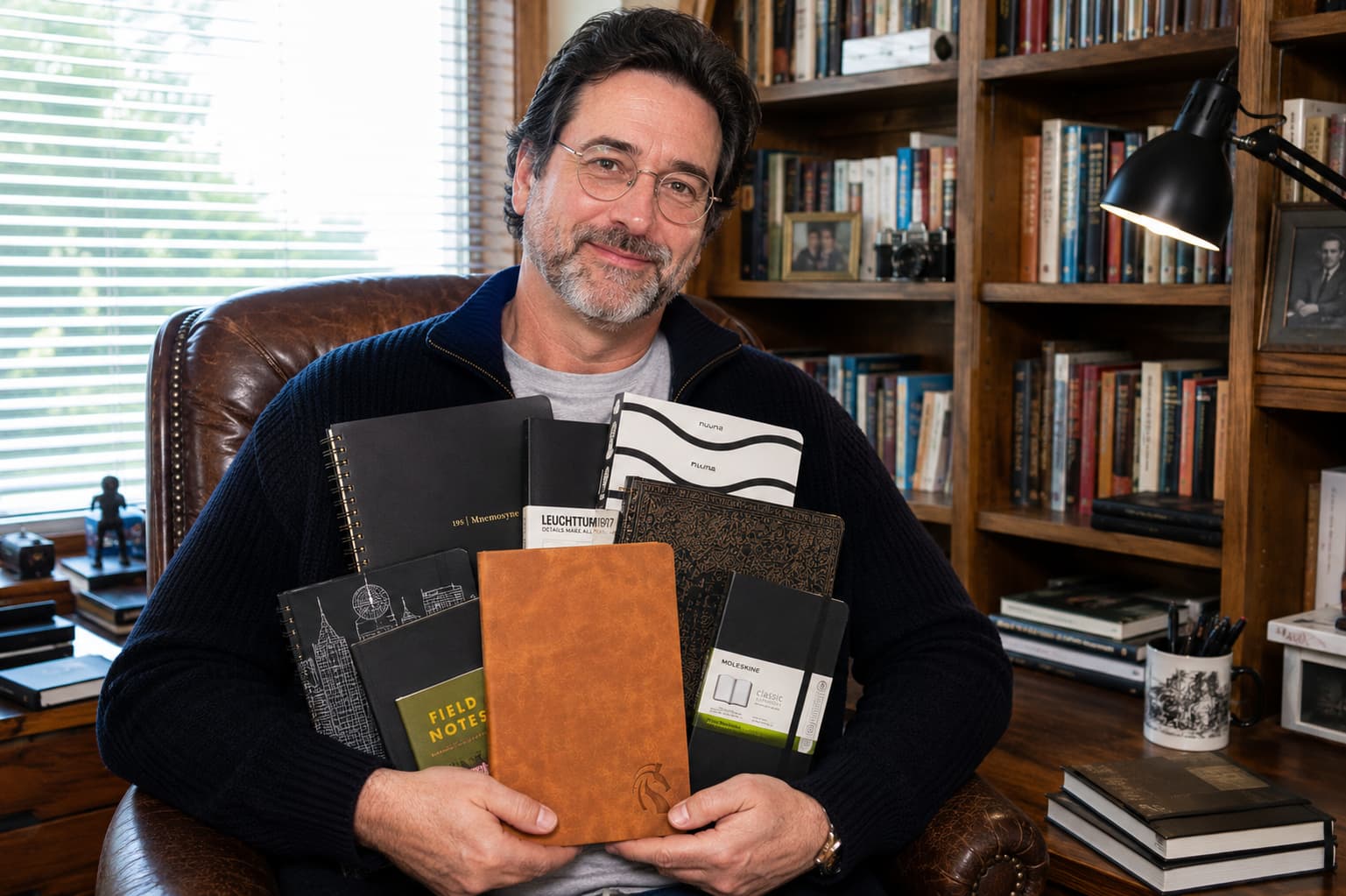
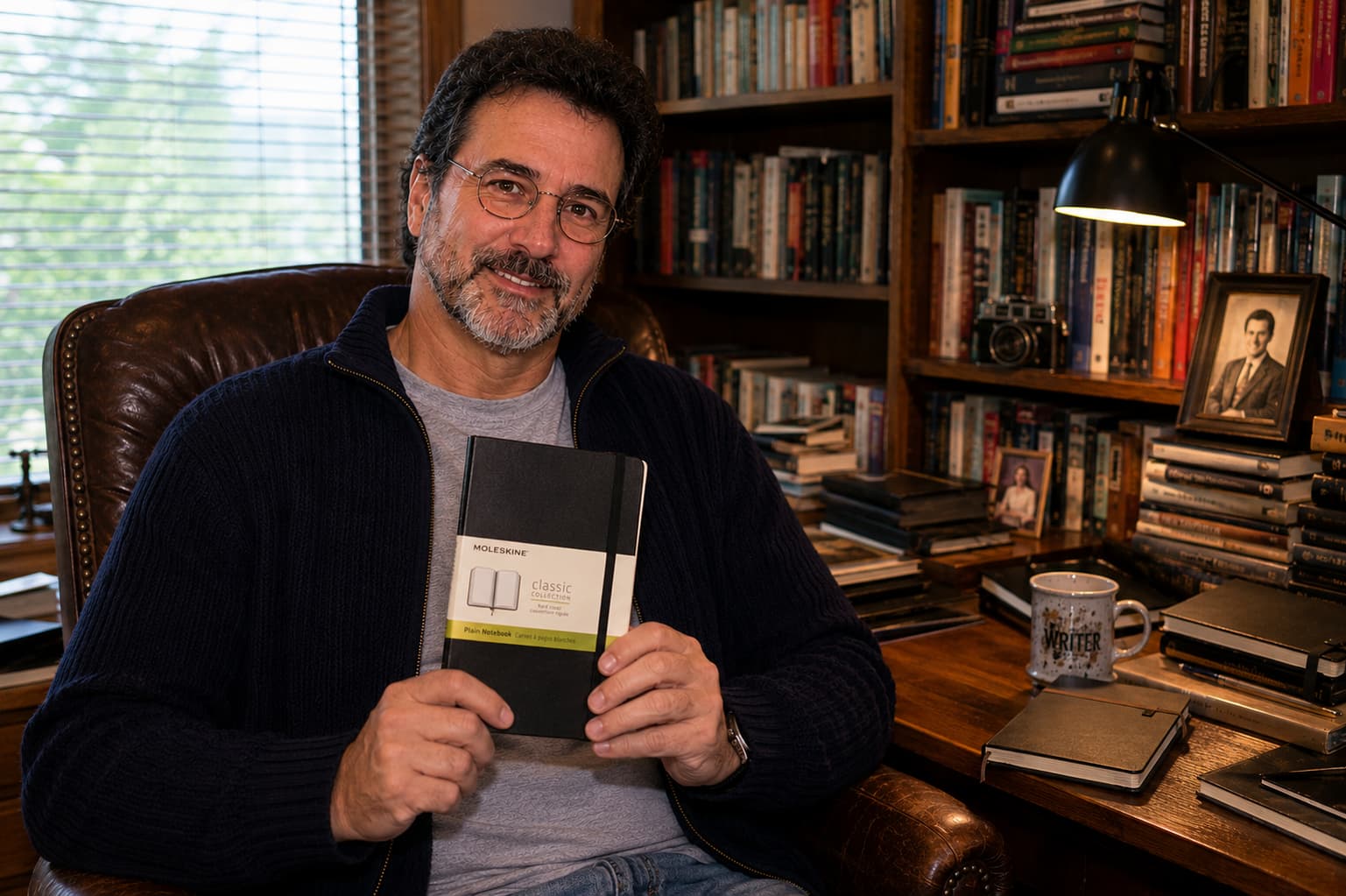
Moleskine is probably the most famous name in notebooks. Their classic black covers and rounded corners are instantly recognisable. I used Moleskine for years and still have a stack of them on my shelf. The paper works well with a ballpoint or a fine gel pen, though I have found that wetter fountain pens can cause some show-through. If you write with a Lamy Safari or a Pilot G2, Moleskine is a solid choice. The pocket-sized versions are great for carrying everywhere.
Leuchtturm1917 is the brand I recommend most often to writers who use fountain pens. The paper is slightly thicker than Moleskine's, and it handles ink better. The notebooks come with numbered pages and a table of contents, which appeals to anyone who likes to keep their work organised. I have used Leuchtturm1917 for bullet journaling and for longer creative projects. The hardcover stays open on a desk without fuss.
Rhodia is a different beast. Their staple-bound pads and spiral notebooks use a smooth, coated paper that is a joy to write on. Fountain pen users love Rhodia because the paper does not bleed or feather. The orange and black covers are iconic. I keep a Rhodia No.16 pad next to my computer for quick notes and sketches. The paper has a slight feedback that makes handwriting feel deliberate.
Field Notes notebooks are smaller and more utilitarian. They come in packs of three and are designed to be used up and replaced. The paper is not as luxurious as Rhodia or Tomoe River paper, but it works well with ballpoints and pencils. I carry a Field Notes notebook in my back pocket for capturing ideas on the go. They are not meant to last forever, and that is part of their charm.
Midori MD is a Japanese brand that makes minimalist notebooks with a cult following. The paper is cream-coloured and soft, and it takes ink beautifully. I have used Midori MD for journaling and for writing first drafts. The notebooks are unassuming, with a simple brown cover and thread binding. They lie flat when open, which matters more than you might think.
Hobonichi Techo notebooks are famous for their use of Tomoe River paper. This paper is incredibly thin yet strong, and it shows off ink sheen and shading better than almost anything else. Hobonichi Techo planners are designed for daily use, with a page per day. I have used them for morning pages and for tracking my writing habits. The paper handles fountain pen ink, gel ink, and even brush pens without bleeding.
Pens That Pair Well
Your notebook is only half the equation. The pen you use matters just as much. I have tried dozens of pens over the years, and a few have become permanent residents in my pencil case. The Lamy Safari is a workhorse fountain pen that starts every time and writes smoothly. The Pilot G2 is a reliable gel pen that is cheap enough to lose without crying. The Uni-ball Jetstream is my go-to for fast writing because the ink dries quickly and does not smudge. Pair any of these with a good notebook, and you have a setup that will carry you through any writing session.
Overcoming Writer's Block
Writer's block is a familiar enemy. When the words do not come, a blank page can feel intimidating. One of the best tricks I have learned is to switch tools. If I am stuck on a screen, I move to paper. If I am stuck in a cheap notebook, I open one of my trusted writing journals. The act of writing by hand changes the rhythm of your thinking. It slows you down. It forces you to shape each sentence. Sometimes that is exactly what you need to break through the block.
Julia Cameron wrote about this in The Artist's Way. Her morning pages practice involves writing three pages by hand every day. The idea is to clear your mind of clutter so that the real writing can come through. I have tried it, and it works. The key is to use a notebook that you like. If the paper is unpleasant or the pen skips, you will find excuses to stop. But if you have a notebook that feels good in your hands, you will keep going.
Journaling prompts can also help. When I am stuck, I use prompts to get the words moving. Simple questions like "What am I avoiding today?" or "What surprised me this week?" can open a door. I write the prompt at the top of the page and then let myself ramble. The goal is not to produce polished work. The goal is to stay in the habit.
Where to Find Them
Most of the notebooks I have mentioned are easy to find. Amazon carries all of them, often with fast shipping. Etsy is a good source for handmade notebooks and custom covers. I have bought several leather covers on Etsy that fit my Midori MD and Hobonichi Techo notebooks perfectly. For a more curated selection, there are specialty stationery shops online that sell sample packs. I have bought sampler packs from a few shops to test different papers before committing to a full notebook.
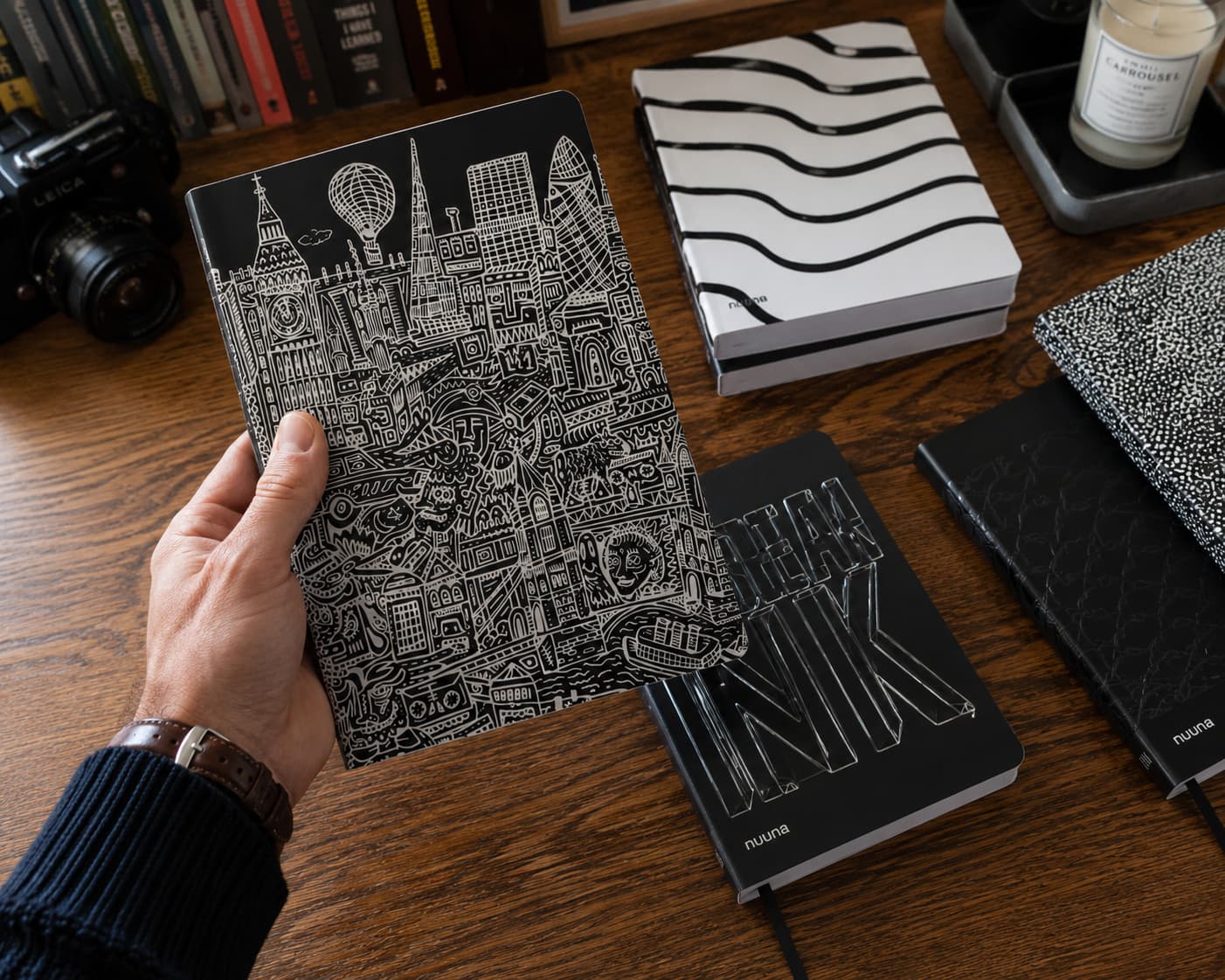
Reading notebook reviews helps too. Other writers share honest opinions about paper quality, binding durability, and how the notebook holds up over time. I have learned a lot from those reviews. They have saved me from buying notebooks that look good but perform poorly.
Final Thoughts
I do not believe there is one perfect notebook for everyone. We all write differently. We use different pens, different inks, different styles. What matters is finding the notebook that fits your hand and your habits. Once you find it, hold onto it. Buy a few extras. Keep one at your desk, one in your bag, and one by your bed. When you have a trusted writing journal within reach, writing becomes easier. The tool fades into the background, and the words take centre stage.